Event-Driven Architecture (EDA) has become a cornerstone for building responsive and scalable systems. As technology evolves, new trends are shaping the future of EDA, offering opportunities to enhance applications further. For technical managers overseeing development teams, staying informed about these trends is crucial for strategic planning and innovation.
This article explores emerging trends in EDA, including serverless computing advancements, integration with artificial intelligence (AI) and machine learning (ML), and the growing importance of edge computing. We’ll also discuss how integrating skilled developers from Synergy Sparq can help your team leverage these trends effectively.
The Evolution of Event-Driven Architecture
EDA has traditionally focused on decoupling components and enabling asynchronous communication through events. This approach enhances scalability, flexibility, and responsiveness.
As applications become more complex and distributed, new trends are emerging to address the challenges and opportunities that arise.
Understanding these trends allows you to adapt your systems proactively, ensuring they remain competitive and efficient.
Trend 1: Advancements in Serverless Computing
The Rise of Serverless EDA
Serverless computing, exemplified by services like Azure Functions, is transforming how applications handle events. Serverless architectures allow developers to focus on code without worrying about infrastructure management.
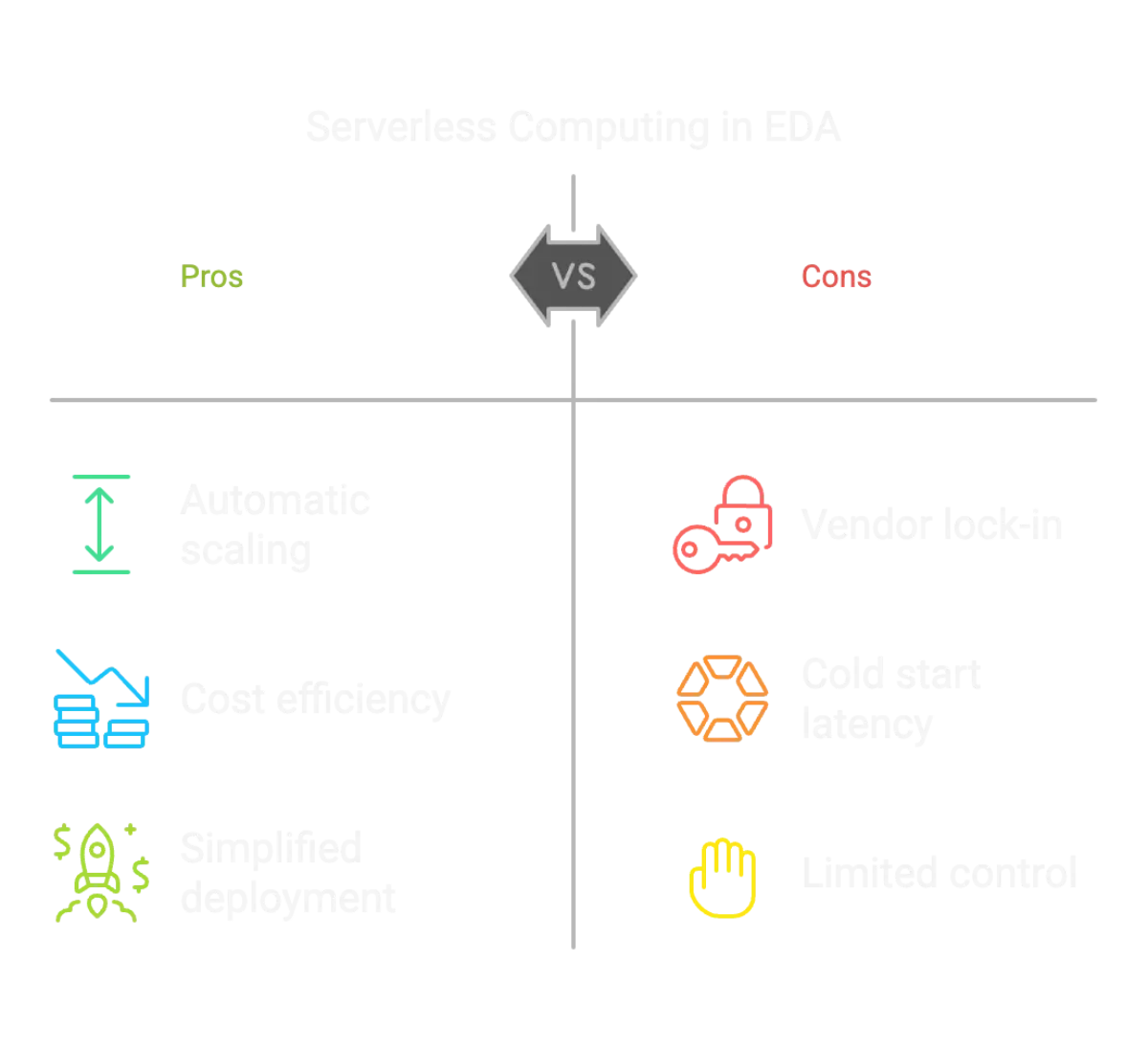
Benefits:
- Scalability: Automatic scaling based on demand.
- Cost Efficiency: Pay-per-use models reduce operational costs.
- Simplified Deployment: Faster development cycles with reduced overhead.
Impact on EDA
- Event Processing: Serverless functions can be triggered by events, enabling real-time processing.
- Microservices Integration: Easier development of small, focused services that respond to events.
- Flexibility: Rapid adaptation to changing requirements without infrastructure constraints.
Serverless computing enhances EDA by providing a flexible and efficient way to process events at scale.
Trend 2: Integration with AI and Machine Learning
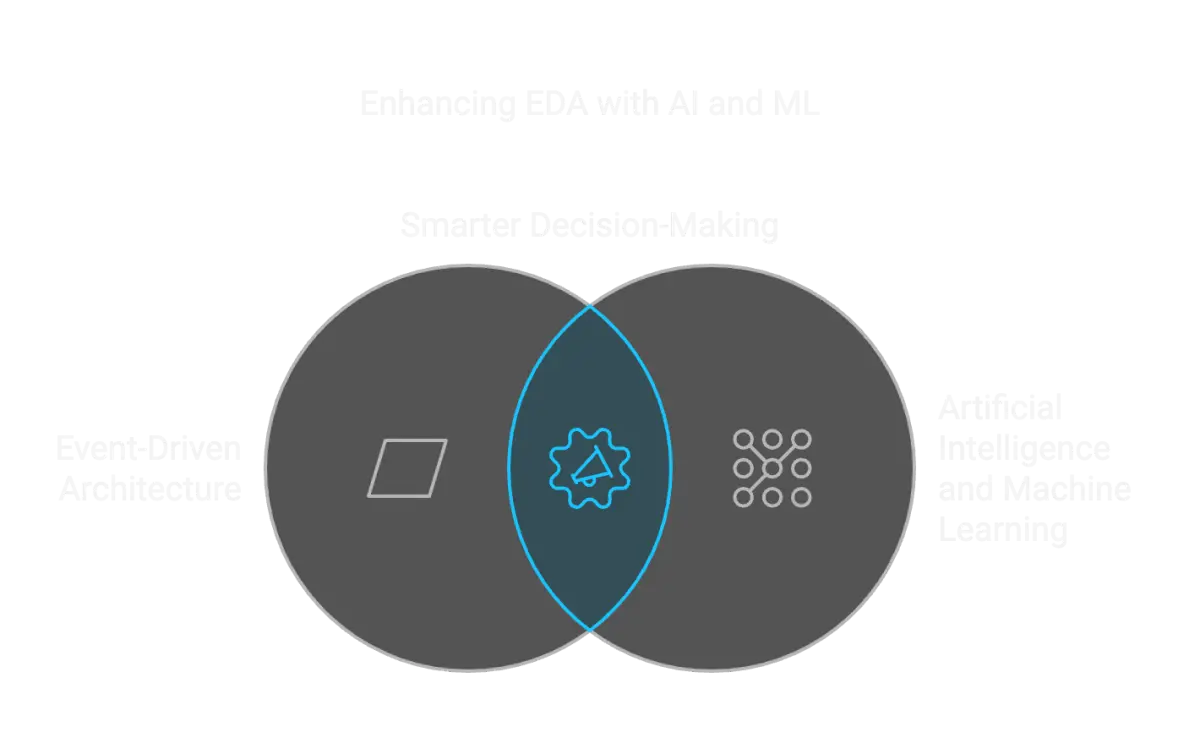
Intelligent Event Processing
Incorporating AI and ML into EDA allows systems to make smarter decisions based on event data.
Applications:
- Predictive Analytics: Anticipate events before they occur, enabling proactive responses.
- Anomaly Detection: Identify unusual patterns in event streams for security or operational insights.
- Automated Decision-Making: Use ML models to determine the best course of action in response to events.
Azure Services Supporting AI Integration
- Azure Cognitive Services: Add AI capabilities to applications without extensive expertise.
- Azure Machine Learning: Develop, train, and deploy ML models at scale.
- Azure Stream Analytics: Analyze event data in real time with integrated ML models.
Integrating AI and ML with EDA empowers applications to respond intelligently, enhancing functionality and user experience.
Trend 3: Edge Computing and IoT Integration

Bringing Processing Closer to the Source
Edge computing involves processing data near the source of generation, such as IoT devices, reducing latency and bandwidth usage.
Benefits:
- Reduced Latency: Immediate processing of events without sending data to centralized servers.
- Bandwidth Optimization: Less data transmitted over networks.
- Improved Reliability: Continued operation even when connectivity is intermittent.
Impact on EDA
- Event Generation at the Edge: IoT devices produce vast amounts of event data requiring real-time processing.
- Edge Analytics: Analyze and act on data locally before sending aggregated results to the cloud.
- Hybrid Architectures: Combine edge and cloud processing for optimal performance.
Edge computing extends EDA capabilities to the periphery of the network, enabling new use cases and improving responsiveness.
Trend 4: Event Mesh and Distributed Event Management

Managing Complexity in Distributed Systems
As applications become more distributed, managing event flow across multiple environments is challenging.
Event Mesh Concept:
- Unified Event Distribution: A dynamic infrastructure layer that routes events between producers and consumers regardless of location.
- Cross-Platform Integration: Connects cloud, on-premises, and edge environments.
- Simplified Management: Centralized control over event routing and policies.
Azure Solutions
- Azure Event Grid Distributed Architecture: Supports event routing across regions and hybrid environments.
- Integration with Other Platforms: Facilitates communication between Azure services and third-party systems.
Event mesh architectures streamline event management in complex, distributed systems, enhancing scalability and flexibility.
Trend 5: Increased Focus on Security and Compliance

Protecting Event-Driven Systems
With the growing reliance on EDA, ensuring security and compliance is more critical than ever.
Key Considerations:
- Data Protection: Encrypting event data in transit and at rest.
- Access Control: Implementing robust authentication and authorization mechanisms.
- Compliance Standards: Adhering to regulations like GDPR, HIPAA, and others.
Azure Security Features
- Azure Active Directory (AAD): Centralized identity and access management.
- Azure Security Center: Provides unified security management and threat protection.
- Azure Policy: Enforces organizational standards and assesses compliance.
Strengthening security measures protects your systems and builds trust with users and stakeholders.
How Synergy Sparq’s Developers Can Help You Embrace These Trends

Implementing these emerging trends requires specialized knowledge and experience. Synergy Sparq offers skilled Azure developers who can integrate with your team to navigate these advancements effectively.
Benefits of Integrating Our Developers
- Expertise in Latest Technologies: Stay ahead with developers proficient in serverless computing, AI integration, edge computing, and more.
- Hands-On Experience: Practical knowledge from implementing these trends in various industries.
- Collaborative Approach: Work alongside your team, enhancing their skills and fostering innovation.
By partnering with Synergy Sparq, you equip your team to leverage future EDA trends, ensuring your applications remain cutting-edge.
Preparing for the Future of EDA
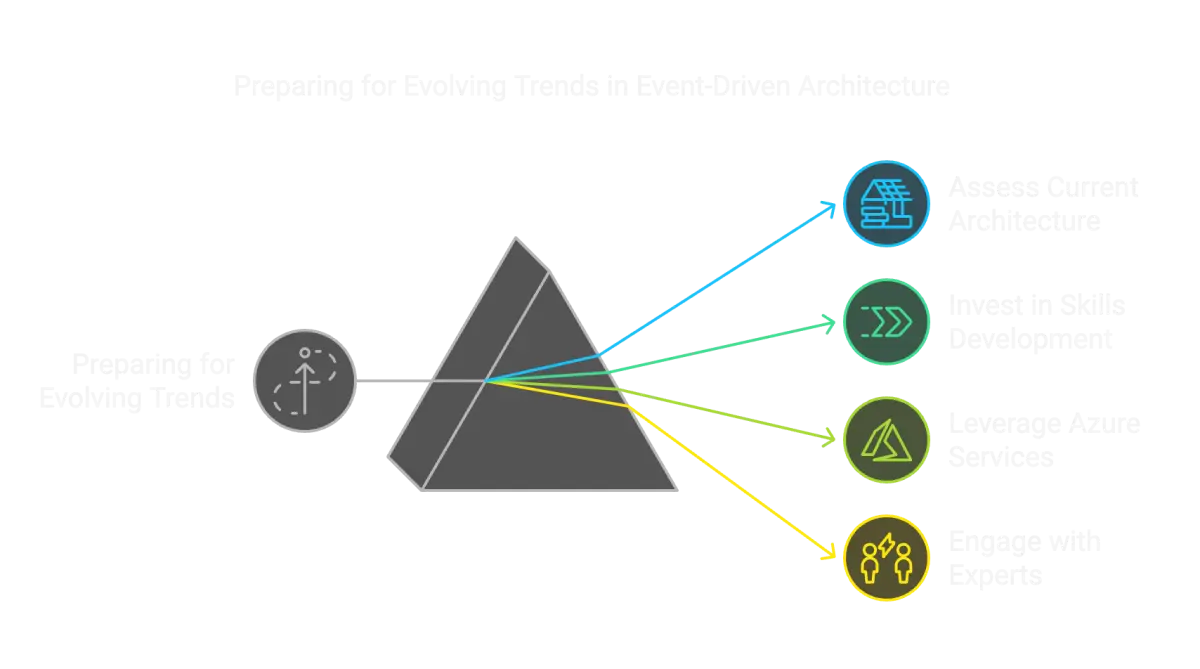
To stay competitive, organizations must adapt to these evolving trends in Event-Driven Architecture. Here are steps to prepare:
- Assess Your Current Architecture:
- Identify areas that can benefit from serverless computing, AI integration, or edge computing.
- Invest in Skills Development:
- Encourage your team to learn about new technologies and practices.
- Leverage Azure Services:
- Utilize Azure’s offerings that support these trends, ensuring seamless integration.
- Engage with Experts:
- Consider integrating developers from Synergy Sparq to bring specialized expertise.
Proactive adaptation positions your organization to capitalize on new opportunities and technological advancements.
Conclusion
The future of Event-Driven Architecture is shaped by advancements in serverless computing, AI and ML integration, edge computing, and a heightened focus on security. By understanding and embracing these trends, technical managers can drive innovation and maintain a competitive edge.
Integrating skilled developers from Synergy Sparq into your team can provide the expertise needed to implement these trends effectively. Their knowledge not only accelerates your projects but also enriches your team’s capabilities, preparing your organization for the future of EDA.
Next Steps
If you’re ready to embrace the future of Event-Driven Architecture, consider augmenting your team with developers from Synergy Sparq. Contact us to learn how we can support your initiatives.